
Fog chokes the lungs of Delhi every winter. Like every year, this year AQI level crossed severe levels. The promise of 400 paars campaigned for Lok Sabha election is being realized in AQI level of Delhi. People came out on streets demanding clean air under Article 21. Article 21 of the Indian Constitution guarantees the right to life and personal liberty. Right to clean air was established as part of article 21 in 1987 in the case of M.C. Mehta v. Union of India. This essay analytically explores the validity of demanding clean air by government under Article 21.
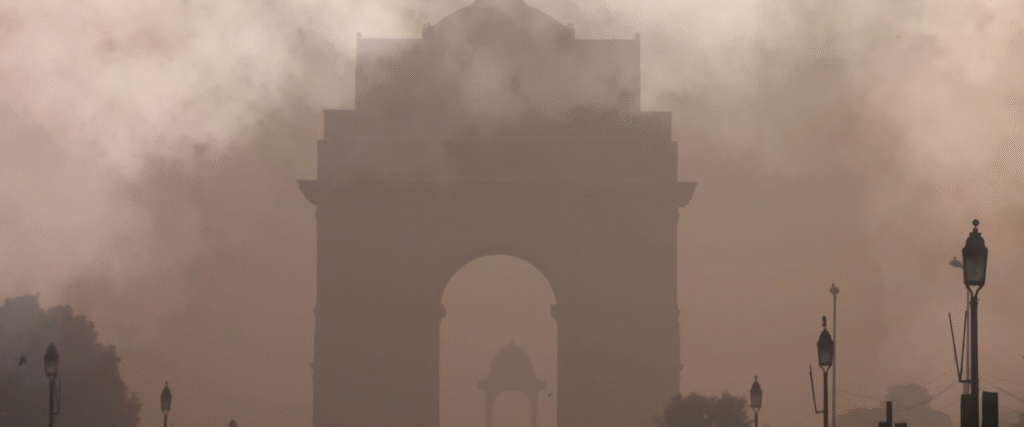
Protecting people from environmental hazard should be ensured by government because not only public health but other sectors of economy, daily life activities, etc. get hampered.
Government should ensure a clean air because polluted air cause respiratory diseases. Reports show that not only respiratory, but it also affects mental health. Besides, toxic air can also cause skin diseases. These diseases lower the basic standard of living. Cough, asthma, difficulty in breathing cause uneasiness to people. Mental health issue lowers their productivity, leads to anxiety, etc. Thus, toxic air takes away the basic expected need from the environment, which cause problem to people.
Besides health, other sectors also get affected due to pollution. Schools switch to online mode, impacting direct student-teacher interaction. Due to foggy air, transportation gets slower. Tourism also gets affected due to health concerns among tourists, thus adversely impacting daily economic activities. Thick air decreases visibility leading to road accidents, thus daily activities of people get affected. This takes people far away from normal living conditions, making right to clean air valid to be demanded under Article 21.
Pollution can be reduced through coordinated efforts of people. Government should survey what is contributing most to the pollution i.e. where exactly these coordinated efforts can prove most efficient. Further, they should also oversee if people are complying with their orders. It is their task to learn from experiences of outsiders, say China’s feat of coming out from air collapse.
In conclusion, poor air affects public health, other sectors like education, economic activities, daily life activities. This causes uneasiness to people, thus adversely deteriorating quality of life. It is important to ensure suitable environment as much as stable economy and equitable social conditions are expected.
Discover more from newscape.in
Subscribe to get the latest posts sent to your email.