
Haryana Director-General of Police OP Singh has warned of strict action against singers who promote gun culture among the youth. This reflects the ongoing clash between artistic freedom and the production of harmful cultural messages. This essay analytically argues that states should prioritize protecting youth from harmful cultural messages, such as the glorification of violence, over artistic freedom.
Glorifying the use of violence can shape the attitudes of young people in harmful ways. Individuals are influenced by what they see and hear, and they may begin to view violence as legitimate when encouraged by performing artists. The use of storytelling, psychologically manipulative music, intense emotions, and other artistic elements leaves a lasting impression on viewers. As a result, their worldview is reshaped, and they start believing that the behavior portrayed in the art is acceptable. This occurs because artists possess significant influence, and the nature of art itself can strongly affect audiences.
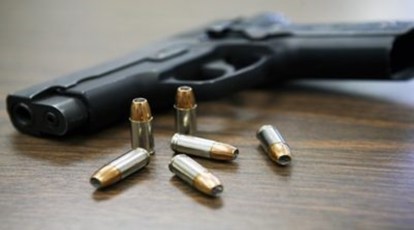
People may also fail to consider the real consequences of their actions when harmful practices have been normalized by artists. They may resort to violence even in petty conflicts. Some individuals may even oppose government authority in an attempt to justify violent behaviour, since their opinions are shaped more by the artist than by the administration. This ultimately disrupts law and order in society.
Protecting society from harmful cultural messages therefore requires reasonable limits on artistic freedom. The Constitution provides the right to freedom of expression but also allows necessary restrictions. Allowing artists to promote harmful cultural messages contradicts the spirit of this right. The purpose of freedom of expression is to enable people to voice their demands, criticize the government, and communicate their opinions, while ensuring equal space for all. It is not intended to grant disproportionate influence to certain individuals. Harmful cultural messages in art create violence, disturb public order, and undermine social stability. Granting complete artistic freedom in such cases gives artists undue power, which goes against the purpose of the right itself. Thus, it is legitimate to impose limits on artistic freedom when it results in harmful cultural messages.
In conclusion, when artistic expression encourages violence or distorts public behavior, the state is justified in restricting such content to protect young audiences and preserve peace and order.
Discover more from newscape.in
Subscribe to get the latest posts sent to your email.
Good