
It took France 59 years to grant voting rights to all adult men, but a staggering 155 years for women to achieve the same from the start of the French Revolution. This highlights that the struggle for women’s rights can be long, but it is ultimately achievable. Women today are leaving deep imprints across every sector of society, yet their safety remains the greatest challenge.
Patriarchal mindsets, unwilling to accept women’s growth, often manifest in physical violence. The scale of such violence is so pervasive that it forces women to question their freedom to move outside. Families, fearing for their daughters’ safety, frequently prioritize protection over choice. While it is not scientifically established that women are inherently physically weaker than men, the statistics on violence have created a perception that they are. Physical strength depends not only on biological makeup, nutrition, and training but also on psychological factors. Violence is therefore not merely a reflection of strength—it is often men’s cravenness to subdue women.
This situation calls for urgent change. Women must be physically empowered, and the best practices for self-defence should be mandatorily taught to all girls. Self-defence techniques allow women to protect themselves, even against physically stronger men, and instill confidence in their ability to act in dangerous situations. Regular physical training strengthens both the body and the mind, helping women stand up for themselves. Additionally, basic defence tools, such as pepper spray, should be provided and trained for, to be used in imminent threats or to deter aggressors.
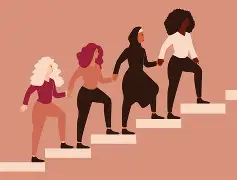
Physical empowerment challenges the patriarchal narrative that women are inherently weaker. It allows women to step outside fearlessly, while families can support them without anxiety. Such empowerment also sets a precedent: women defending themselves publicly highlight their physical equality, compelling society to reconsider patriarchal assumptions. Expecting complete eradication of patriarchal pride or universal morality is utopian, so state policies should focus on strengthening women as a practical solution.
Critics may argue that physical training might divert time from women’s economic or academic pursuits, potentially putting them at a disadvantage. However, given that safety is a critical barrier preventing women from fully engaging in economic and social life, this approach is rational. Physical empowerment is an essential step in the ongoing struggle for true equality, ensuring that women can live, work, and participate in society without fear.
Discover more from newscape.in
Subscribe to get the latest posts sent to your email.