
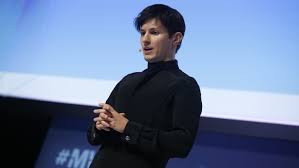
The arrest of Paul Durov in August 2024 sparked a global debate over the liability of social media platforms. As the founder of Telegram, Durov’s detention brought attention to the role these platforms play in regulating content, preventing misinformation, and ensuring public safety. This ignited the debate if social media platforms be held liable for user generated content.
Social media platforms hold the global community together. Platforms such as X and YouTube provide free access to information to people across the world. However, in such an open system, the spread of misinformation becomes inevitable. History shows that misinformation has caused fatal consequences even before the existence of global digital platforms. For instance, rumours that the British used cow and pig fat in bullets triggered widespread unrest during the 1857 revolt. In today’s digital age, misinformation spreads faster and wider, making its consequences far more severe and global.
Therefore, social media platforms should be held liable for the spread of misinformation on their platforms. Since they own, control, and profit from these platforms, they must also take responsibility for ensuring responsible conduct on them. The risk of misinformation is highly foreseeable, which makes it necessary for platform owners to take precautionary steps. Ignoring this responsibility allows false information to spread unchecked, causing harm to individuals, communities, and societies.
Holding platforms accountable would encourage them to adopt stricter moderation mechanisms. They could establish dedicated departments for fact-checking, verification, and content moderation, ensuring that information is reviewed before it reaches the public. Such precautionary measures would significantly reduce the likelihood of misinformation spreading and prevent many of its harmful consequences. When platforms become more vigilant, users too would act more cautiously, verifying the reliability of information before sharing it.
Critics may argue that individuals, not platforms, should be held responsible for spreading misinformation. However, ordinary users may unintentionally misinterpret facts or spread inaccurate information in good faith. This makes it necessary to have an institutional body capable of assessing content responsibly. Such a mechanism can also balance the tension between freedom of speech and reasonable restrictions, ensuring that expression is protected while harm is prevented.
In conclusion, since social media platforms profit from user activity and have the capacity to regulate content, they should be held accountable for the spread of misinformation. Platform liability would promote safer information ecosystems, strengthen public trust, and help social media truly serve its purpose of connecting the global community.
Discover more from newscape.in
Subscribe to get the latest posts sent to your email.